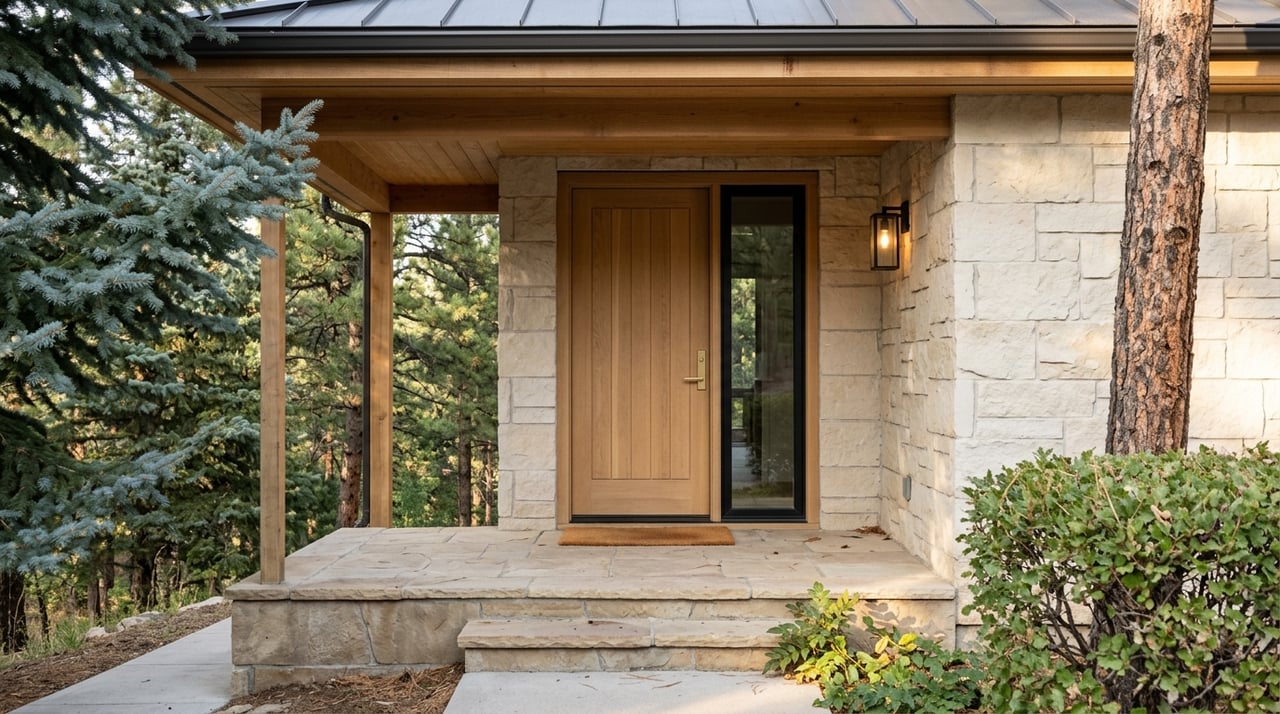
How To Evaluate Ruidoso Cabin Investments
April 2, 2026
April 2, 2026
If you are thinking about buying a cabin in Ruidoso as an investment, it is easy to focus on the fun part first: mountain views, vacation appeal, and the idea of steady rental income. But a good-looking cabin is not always a good investment. In a market shaped by tourism, seasonality, and local rules, the numbers only work when you evaluate the property carefully. Let’s dive in.
Ruidoso has several demand drivers that make cabins appealing to second-home buyers and investors. The Village of Ruidoso describes the area as a mountain resort community with longtime residents, second homeowners, and a wide mix of visitors, while official tourism materials highlight year-round events, attractions, and entertainment. The area also benefits from outdoor recreation tied to Lincoln National Forest and the Sacramento Mountains.
That demand is not limited to one season. Visitors are drawn by winter and summer activities at Ski Apache, plus resort traffic connected to Inn of the Mountain Gods, which is located about four miles from Ruidoso. Local tourism planning also treats cabins, vacation rentals, and condos as a core lodging category, which supports the idea that well-positioned cabins can attract guests.
A cabin investment in Ruidoso is not the same as a year-round urban rental. Village housing materials describe Ruidoso as a vacation destination where much of the rental housing is seasonal in nature. That means your income may rise during peak travel periods and soften during slower stretches of the year.
For you, that creates a simple but important underwriting rule: do not base your decision on best-case income alone. A strong cabin investment should still make sense if bookings slow because of weather, travel patterns, or changes in event activity. Conservative assumptions usually lead to better long-term decisions.
Before you fall in love with a cabin, confirm whether your investment plan fits current local requirements. In Ruidoso, a short-term rental is defined as a house, condo, apartment, or part of one rented for fewer than 30 consecutive nights. The Village requires both a CRS Business Registration Number and a Short-Term Rental Permit, and stays of 29 days or less must collect Lodger’s Tax and Gross Receipts Tax.
The State of New Mexico also says that anyone engaging in business in the state must register and obtain a Business Tax Identification Number. In other words, this is not a casual setup. If you are buying with rental income in mind, you should treat registration, permitting, tax collection, and compliance as part of the core investment model from day one.
The Village’s short-term rental program is fully online, and current rules include several details buyers should verify before closing. According to the Village, current updates include:
The Village also uses AI tracking to identify unregistered properties, maintains a public portal with contact information, and operates a 24/7 complaint hotline. That should tell you something important: enforcement is active, and compliance matters.
A cabin may technically qualify as a short-term rental but still be difficult to run well. Ruidoso requires visible guest information at the property, including a 24/7 local contact, occupancy and parking limits, trash procedures, noise rules, fire restrictions, and the 911 address. If your cabin is remote, hard to access, or short on parking, those day-to-day issues can affect both guest experience and compliance.
You should also think through who will handle the local response requirements. If you do not live nearby, you may need trusted local support for guest issues, complaints, emergencies, and turnover coordination. That is especially important in a resort market where many buyers are purchasing from out of area.
Ruidoso’s compliance inspections focus on practical safety standards. The Village requires items such as:
The Village also states that fire pits and all outdoor burning are prohibited at short-term rentals within the Village. If a property’s current setup does not match these rules, you need to budget both time and money to bring it into compliance.
One of the biggest mistakes investors make is underestimating expenses. Mortgage payments are only part of the picture. Local guidance makes it clear that Ruidoso cabin ownership can include meaningful costs tied to compliance, insurance, housekeeping, furnishing, local management, and tax reporting.
Some sites can create even more pressure on your budget. The Village notes that terrain, drainage, flood hazards, and wildfire mitigation can all affect development and maintenance costs. On steeper or wooded lots, you may face added expenses for utility solutions, water storage, access, drainage improvements, or ongoing site work.
When you review a Ruidoso cabin, your estimate should account for more than the purchase price. Consider building a budget around:
If you skip these categories, the projected return may look stronger on paper than it will in real life.
Risk is one of the most important parts of evaluating cabin investments in Ruidoso. The Village reported that two wildfires erupted on June 17, 2024, in the National Forest adjacent to Ruidoso, burning structures and large forest areas. That is not a distant concern. It is a recent local event with real implications for buyers and owners.
The Village also warns that flood risk can remain elevated for up to five years after a fire because burned soils and vegetation absorb less water. Property owners are urged to consider flood insurance, and the Village notes that standard homeowners or renters insurance typically does not cover flood or mudflow. If you are analyzing a cabin, insurance availability and hazard exposure should be part of your due diligence from the start, not an afterthought.
A property with great views and strong guest appeal may also come with a more complex risk profile. You should look at the deal through two lenses at the same time:
That balanced approach can help you avoid overpaying for a cabin that looks attractive but performs poorly after real-world expenses.
The right questions can save you from an expensive mistake. Before you buy, make sure you understand whether the property supports your intended use under current rules and whether it can be managed efficiently.
Here are some smart questions to ask during your evaluation process:
These questions are especially helpful if you are buying from out of town and need a more structured decision process.
Some buyers plan to start with short-term rentals and later switch to a longer-term hold. That may sound flexible, but you should not assume every property will support every strategy equally well. Village housing materials note that the short-term residential rental overlay applies broadly across residential zones and affects how lodging options function within the local market.
That means your backup plan needs to be reviewed just as carefully as your primary plan. If your purchase only works under one narrow set of assumptions, it may carry more risk than you want.
In most cases, a strong cabin investment in Ruidoso checks several boxes at once. It benefits from the area’s tourism appeal, can meet current rules, has a realistic operating plan, and is underwritten with room for seasonal swings and hazard-related costs. It also fits your goals, whether you want a pure investment, a part-time second home, or a longer-term lifestyle hold.
That is where local guidance matters. In a resort market like Ruidoso, the details behind access, layout, compliance, and site conditions can make a major difference in how a property performs over time.
If you are comparing cabins in Ruidoso and want a grounded, local perspective on what to watch for, Deanna Miller can help you evaluate opportunities with more clarity and confidence.
Stay up to date on the latest real estate trends.




Deanna Miller is dedicated to helping you find your dream home and assisting with any selling needs you may have. Contact her today so she can guide you through the buying and selling process.

DEANNA MILLER
ADDRESS 931 STATE HIGHWAY 48 ALTO NM 88312