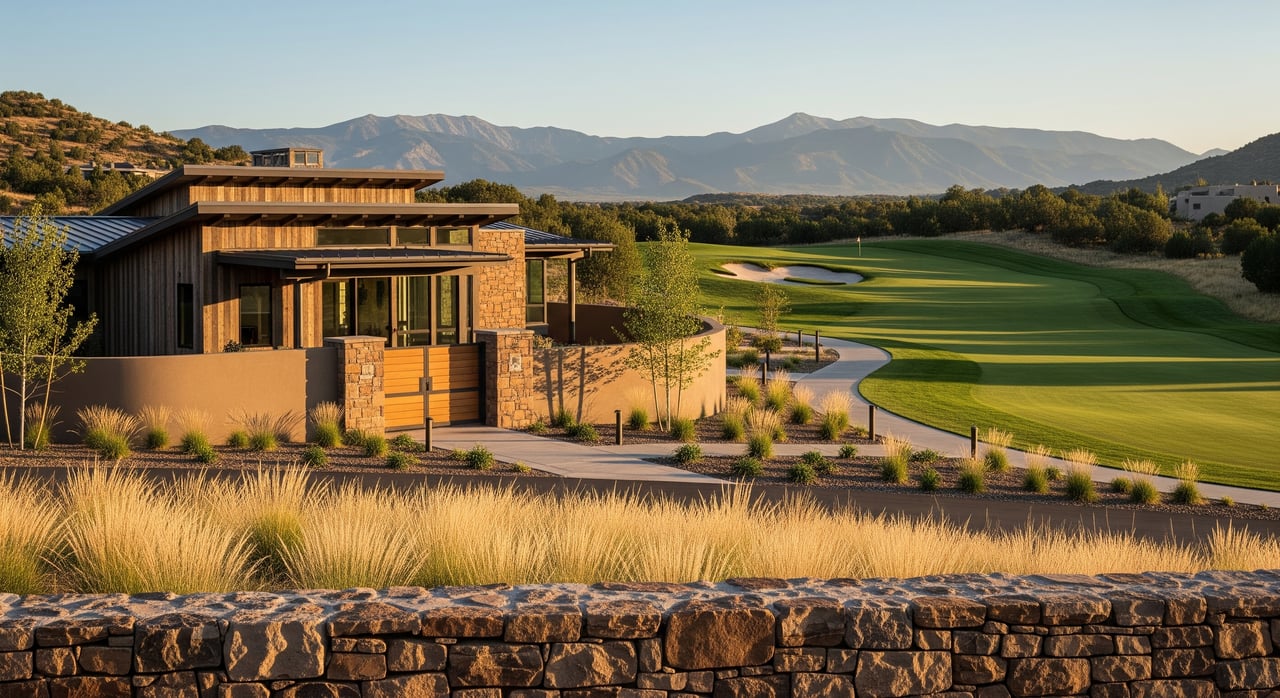
Living on the Fairway at Alto Lakes: Safety 101
November 6, 2025
November 6, 2025
Love waking up to mountain air and green fairways, but worry about a stray shot reaching your patio or picture window? If you live on or are buying along the fairway at Alto Lakes, you’re smart to plan for both comfort and safety. In this guide, you’ll learn practical ways to protect windows and outdoor spaces, how to navigate setbacks and approvals, what insurance typically covers, and how to keep good rapport with neighbors and the club. Let’s dive in.
Errant shots from tees, approaches, or chips are the main source of golf balls contacting homes. Ricochets off cart paths, rock outcroppings, or other hard surfaces can change a ball’s direction. Elevated tees can increase carry distance and impact energy.
Windows and sliding glass doors that face the fairway or tee box see the most strikes. Glass railings, patio umbrellas, thin patio furniture, skylights, and greenhouse-style sunrooms also face risk. People on patios, kids, pets, and gardeners are most exposed during active play.
Frequency varies by hole design and traffic, so some homes see few strikes while others see more over time. Tournament days, weekends, and warm afternoons often bring more golfers. During busy times, keep outdoor relaxation areas set back from direct play lines.
Laminated glazing uses two panes with a protective interlayer that holds shards if the glass breaks. It is a strong choice for sliding doors and large windows facing the course where you want clear views. It costs more than standard glass but can reduce penetration and injury risk.
Tempered glass is heat-treated to improve strength and breaks into smaller fragments if it fails. It works well for smaller windows and sidelights but is not the same as impact-rated laminated glazing. Consider it as part of a layered approach rather than a sole solution for high-risk openings.
Exterior shutters and heavy-duty roll-down screens can provide temporary protection during high-traffic times. These systems help protect glass without a full replacement. Check for aesthetic impacts, installation costs, and any required approvals from the Alto Lakes POA or the club.
Protective window film helps hold glass together if struck, which reduces shattering. Film alone may not stop a close-range, high-speed ball, so it is best paired with other measures. Interior laminated or polycarbonate panels can add clear, removable protection behind existing glass.
Professional golf nets placed between play and your seating area can intercept most errant shots. Heavy-mesh patio screens and shades can reduce glancing blows, though they are less effective than engineered nets. Nets may need anchors or footings and usually require POA or club approval.
Replace thin glass railings with laminated glass or solid railings to improve impact resistance. Use sturdy outdoor furniture and store fragile items during busy tee times. Keep seating and grills out of the direct line between tee box and green when possible.
Supervise kids and pets near course edges during active play. Add tasteful caution signage near gates or paths to remind guests to stay alert. Close patio doors and use screens during peak golf hours to reduce interior risks.
Dense shrubs, small trees, and strategic mounding can slow or deflect balls and soften sight lines. Choose low-water, climate-appropriate species that suit Alto’s high-desert, mountain setting. Larger berms require space and must follow POA design standards and county grading rules.
Masonry or stacked-stone walls can block low, skipping shots. These structures will not stop high tee shots, so use them as one layer in a broader plan. Always verify fence height and materials with CC&Rs and the POA before building.
Start with your recorded plat, deed, and title report to identify setbacks and any course easements. Look for notes about the golf course and building envelopes that limit where you can add structures. You can find plats and recorded instruments through Lincoln County offices.
Reach out to Alto Lakes Golf & Country Club management to understand course policies and any mitigation programs. Contact the Alto Lakes Property Owners Association for CC&Rs and design guidelines. Ask the Lincoln County Building and Planning Department about permits for nets, berms, or permanent shielding.
There is no universal setback standard, so rely on your recorded documents and CC&Rs. Many exterior changes, including nets, fencing, and shutters, require POA review. Confirm whether engineered footings or height thresholds trigger county permits.
Standard homeowners policies generally cover sudden, accidental damage to structures, which often includes golf-ball strikes. If a guest is injured on your property, personal liability may apply, depending on the situation. Document incidents with photos and report promptly to your insurer.
Films and secondary glazing are often the most affordable upgrades and can be installed quickly. Laminated or impact-rated replacement glazing costs more but offers strong protection for critical openings. Exterior shutters and professional net systems vary widely in price, so obtain multiple bids from local, experienced contractors.
Homeowners usually pay for upgrades to their own property. If a specific golfer is clearly negligent, they or their insurer may bear responsibility, but claims are often handled first through the homeowner’s insurer. For community-wide solutions, the club or POA may fund or share costs; review meeting notes or policies.
Use modest signage to remind visitors and passersby that golfers are at play. Share recurring concerns with neighbors and the club so everyone can work toward practical fixes. Follow any club rules for ball retrieval and avoid entering active play areas.
Expect more activity during tournaments, weekends, and warm afternoons. Consider closing or shielding patios during these times if your home sits near a tee or landing area. Ask the club about reporting procedures if repeated shots affect your home.
Living on the fairway at Alto Lakes can be both relaxing and exciting when you take a layered approach to safety. Start with small, simple steps, then invest in targeted upgrades that fit your home’s exposures and community rules. Keep open communication with the club and the POA, and document your decisions for insurance and resale confidence.
Ready to evaluate a specific home or plan upgrades with local insight? Schedule a Consultation with Deanna Miller at Unknown Company to review CC&Rs, coordinate trusted vendor bids, and navigate approvals with ease.
Stay up to date on the latest real estate trends.


Real Estate
Effective Tips to Increase Your Home's Value Quickly
Real Estate
Affordable Home Improvements for Energy Savings and Increased Value
Deanna Miller is dedicated to helping you find your dream home and assisting with any selling needs you may have. Contact her today so she can guide you through the buying and selling process.

DEANNA MILLER
ADDRESS 931 STATE HIGHWAY 48 ALTO NM 88312